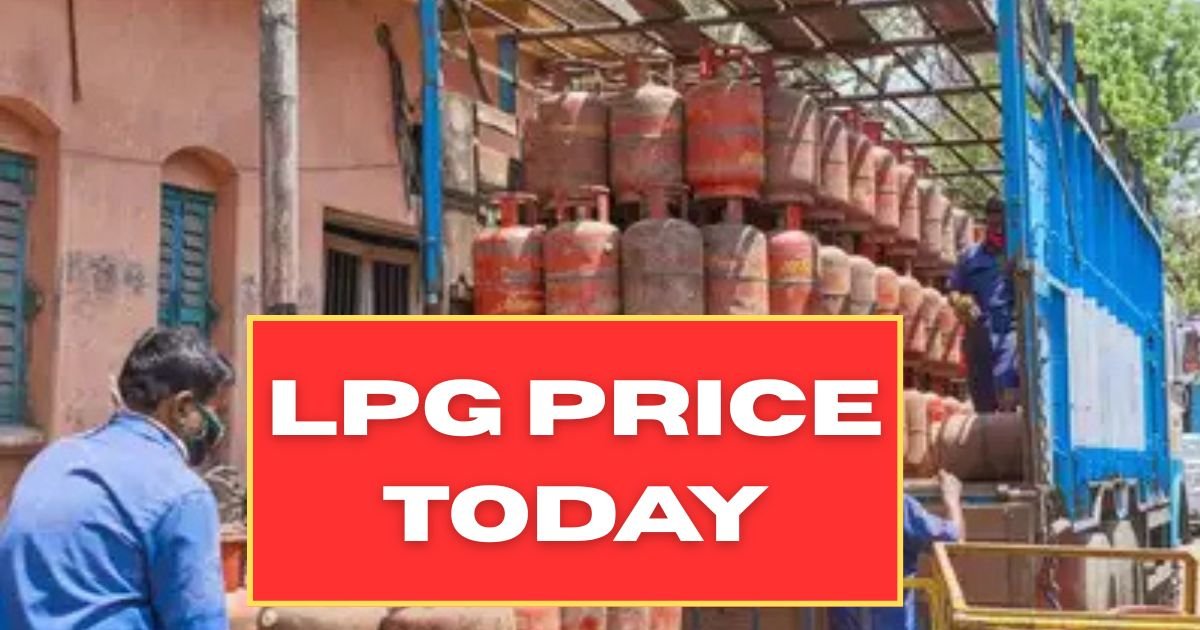
Envision lighting your stove for your ideal morning tea, but at the same time, feeling the pain of the bill for your next gas refill. In people’s kitchens all over the world LPG is not only fuel but also a key factor of their daily eating and the warmness of their houses. However, while there are price cuts in some markets, the results of new energy policy changes still leaves the consumer perplexed. At one side, on November 26, 2025, discounts are talked of in India, and on the other, the U. S.
Current Indian Rates A City-by-City Snapshot
Families in Delhi can take a sigh of relief with the domestic cylinder of 14.2 kg priced at ₹853, which has been the same since April but is being monitored for a cut of ₹30 to ₹823 by December 1. Mumbai is in sync with it at ₹852.50, which is like an anchor providing stability among yearly price hikes of ₹50. Kolkata has a price of ₹879 which shows the impact of urban tax changes.

| City | Domestic (14.2 kg) | Commercial (19 kg) |
|---|---|---|
| Delhi | ₹853 | ₹1,590.50 |
| Mumbai | ₹852.50 | ₹1,645 |
| Kolkata | ₹879 | ₹1,650 |
| Bengaluru | ₹855 | ₹1,640 |
| Agra | ₹865.50 | ₹1,645 |
U. S. Trends Propane’s Steady Dance
In the U. S, propane-LPG’s twin-is sold at $0.65 per gallon on November 24, which is a small daily increase of 0.09% but 19.67% lower than a year ago. The average price in Q3 September was $673/MT, supported by high stock levels even though winter has started. The use of propane for residential heating is decreasing, keeping prices low for both drivers and barbeques.
 Join WhatsApp
Global Wind Discounts And Demands
By November 17, LPG was traded globally at $0.75 per liter, with developed countries paying higher because of taxes while exporters like Saudi Arabia are reducing contract prices, i.e., $475/ton for propane and $460 for butane for November. The reopening of China has led to a 17% price increase in Asia due to the higher demand for U. S. products as a result of U. S.-China rapprochement; whereas, Europe is still considering switching to naphtha due to $78/ton discounts. India’s imports remained stable at $1,043/MT in Q3, which reflects the lowering of the urban consumption rate.

What’s Driving The Dip?
The downward trend in crude oil prices after the summer peaks is one reason for these price reductions. The U. S. has an abundant supply of oil and the Middle East has increased production which has a controlling effect on the price hikes. The easing of geopolitical tensions such as tariff suspensions can create a spike in selective demands without causing an overall inflation. However, winter could reverse this—inventory levels are to be monitored closely.
Smart Savings Tips For Tomorrow
Order refills online to be notified in case prices drop. Utilize high-efficiency burners to get the most from every liter. The Ujjwala scheme ensures that rural households receive subsidies to have light. Use tracking apps that provide real-time changes, thus making price fluctuations your gain.